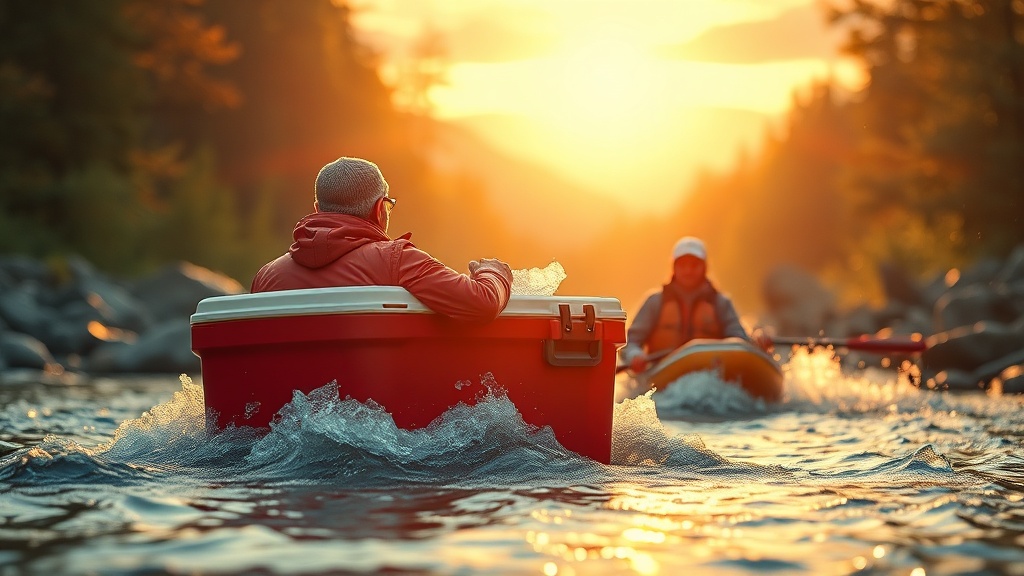
Keep Your Cooler Ice-Cold During a Long River Day

The sun beats down on the deck of a slow-moving pontoon, the kind of heat that makes the water of the St. Lawrence look even more inviting than it did an hour ago. You reach for a soda, only to find it lukewarm and disappointing. It’s a common frustration for anyone spending a long afternoon out on the river. Keeping your food and drinks at a safe, refreshing temperature requires more than just tossing a bag of ice into a plastic bin. This guide covers the specific techniques, gear, and habits you need to keep your cooler ice-cold from the first morning cruise to the late afternoon sun-soak.
A day on the water in the Thousand Islands is a beautiful thing, but the heat can be relentless. If you're out near Gananoque or drifting near Rockport, you'll notice the humidity can make the air feel heavy. A melted cooler isn't just annoying—it can actually be a safety issue if your perishable food spoils. We're going to get into the mechanics of thermal management so you can focus on the view instead of your lukewarm beverages.
What is the Best Way to Pack a Cooler for a Boat?
The most effective way to pack a cooler is to place your heaviest ice or frozen items at the bottom and use a layered approach with smaller ice packs or loose ice on top. You want to create a thermal barrier that keeps the cold trapped at the base. Think of it like building a foundation for a house. If you put the ice on top of the drinks, it will melt much faster as the warm air rises.
Most people make the mistake of tossing everything in haphazardly. If you want to do it right, follow this order of operations:
- The Foundation: Start with large-format frozen items. This could be frozen water bottles or even a solid block of ice.
- The Bulk: Add your heavy cans and bottles next. Make sure they are already chilled in the fridge before they go in; never put warm drinks in a cooler and expect ice to fix it.
- The Insulation Layer: Add loose ice or crushed ice over the drinks. This fills the gaps between the cans.
- The Top Layer: Place your most sensitive items, like deli meats or dairy, at the very top, surrounded by ice packs.
I've found that using frozen water bottles instead of loose ice is a total win for boat days. Not only does it keep the food cold, but as the ice melts, you have extra cold water to drink. It's a two-for-one deal. It also means less messy meltwater sloshing around in your boat—a detail I learned the hard way while navigating the St. Lawrence with a small rental skiff last summer.
How Do You Keep Ice from Melting Quickly?
You keep ice from melting by minimizing the amount of warm air that enters the cooler and maximizing the thermal mass inside. Every time you open that lid to grab a drink, you're letting the cold air out and the hot river air in. It’s a simple trade-off, but one that can cost you a whole bag of ice by noon.
Here are a few professional-grade tips for long-term cooling:
- Pre-chill everything: A hot cooler will melt ice almost instantly. If you have the space, keep your cooler in the shade or even in a garage until the moment you head to the dock.
- Use a heavy-duty brand: If you are serious about long days on the river, invest in a high-quality brand like a Yeti cooler or a Coleman hard-sided model. The thickness of the insulation walls makes a massive difference.
- The "Pre-Damp" Trick: Some locals swear by wetting the exterior of the cooler or keeping it in a shaded, breezy spot. While it doesn't change the physics of the interior, it helps keep the exterior temperature from spiking.
- Avoid the "Open Lid" Habit: Instead of searching through the ice, try to organize your cooler so you can grab what you need quickly.
It’s also worth noting that the color of your cooler matters. A white or light-colored cooler will reflect more sunlight than a dark one. If you're leaving your cooler on the deck of a boat or a sunny dock, a light-colored lid is a smart choice to prevent heat absorption.
Comparing Cooler Types for River Days
| Cooler Type | Best For... | Pros | Cons |
|---|---|---|---|
| Hard-Sided (Rotomolded) | Full-day boat trips | Extreme ice retention; very durable | Heavy; takes up more space |
| Soft-Sided (Insulated Bag) | Lunch excursions or small skiffs | Lightweight; easy to carry | Ice melts faster; less durable |
| Electric/Powered Cooler | Longer cruises/Overnighting | No ice needed; consistent temp | Requires power source; expensive |
If you're just heading out for a quick afternoon near the shoreline, a soft-sided bag is perfectly fine. But if you're planning a full day of island hopping through the Thousand Islands, you'll want something more substantial. The weight of a hard-sided cooler is a factor, but the reliability is worth it.
Does the Location of the Cooler Matter?
Yes, the location of the cooler is vital because even the best insulation cannot fight direct, unrelenting sunlight.
I always suggest placing your cooler under a seat or inside a cabin if your boat has one. If you're on a pontoon, try to keep it in the center of the boat rather than on the outer edges where the sun hits it most directly. Even a small bit of shade can add an hour or two to your ice life. If you can't find shade, even a simple towel draped over the top (making sure it doesn't block ventilation if you're using an electric model) can help.
One thing to remember: don't forget to account for the movement of the boat. If you're hitting any chop on the St. Lawrence, a heavy cooler can slide around. Make sure it's secured so it doesn't become a projectile. I've seen people forget this when they were too focused on packing their boat for a river day, and it's a mistake you only make once.
The temperature of the air inside the boat also matters. If you have a boat with an enclosed cabin, keeping the cooler inside the cabin (which is usually much cooler than the open deck) is a game-changer. This is especially true on those July afternoons when the humidity is high and the sun is intense.
One final tip for the seasoned river-goer: always bring more ice than you think you'll need. It is much better to have a bag of leftover ice at the end of the day than to be staring at a pool of lukewarm water while your sandwiches sit in the sun. It's better to be over-prepared than to be disappointed when the afternoon heat sets in.
Steps
- 1
Pre-chill your drinks
- 2
Use the salt and ice method
- 3
Layer your items strategically
- 4
Minimize lid openings