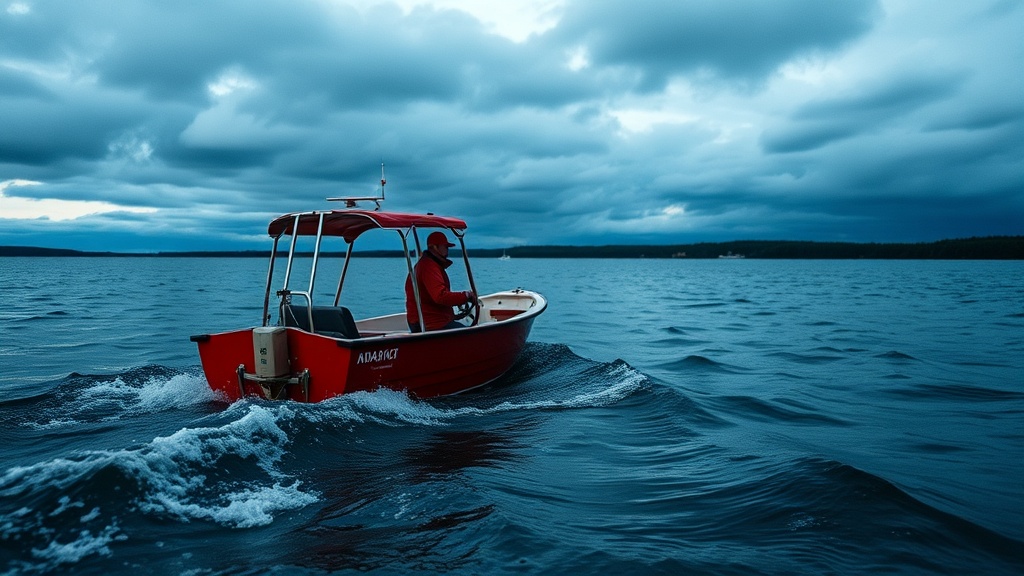
Navigating the St. Lawrence with a Small Rental Skiff

Most people assume you need a massive, high-horsepower speedboat to enjoy the Thousand Islands, but that’s a mistake that often leads to overspending and unnecessary stress. A small rental skiff—typically a 10 to 14-foot aluminum or fiberglass boat with a small outboard motor—is actually the best way to explore the narrow channels and shallow inlets of the St. Lawrence River. This guide covers the practicalities of handling a small craft, managing the currents, and staying safe while exploring the 1,865 islands in our region.
How Do I Handle the Currents in the St. Lawrence?
You must respect the river's current, as even a small skiff can be pushed off course by the heavy flow near the main shipping channels. The St. Lawrence isn't a static lake; it's a moving body of water with predictable, yet powerful, currents. When you're in a light rental boat, the water is essentially a conveyor belt. If you're trying to go upstream (against the current), you'll need to keep your motor engaged and your nose pointed slightly into the flow. If you're going downstream, the water will do the work for you, but it can also pull you toward rocks or larger vessel wakes.
One thing to remember: the current is strongest in the center of the channel and usually slows down near the shorelines. If you feel the boat becoming difficult to steer, you're likely hitting a cross-current or a wake from a passing cruiser. Don't panic. Just adjust your angle and maintain a steady throttle. It’s a bit like driving a car on a windy road—you're constantly making micro-adjustments.
Always keep an eye on the Transport Canada safety guidelines regarding vessel-to-vessel interaction. Larger ships have the right of way, and they move much faster than they appear to be. A skiff is a small target; make sure you're visible and clearly identifiable.
Here's a quick breakdown of how different water conditions affect your small boat:
| Condition | Impact on Small Skiff | Local Tip |
|---|---|---|
| Main Channel | High current, heavy wakes | Stay clear of large vessel paths. |
| Narrow Channels | Faster water, less room | Watch for submerged rocks. |
| Coves/Inlets | Calm, stagnant water | Great for relaxing, but watch for mud. |
| Near Shoreline | Low current, variable wind | Best place to anchor for lunch. |
What Equipment Should I Bring in a Small Skiff?
You should prioritize lightweight, waterproof gear because space in a rental skiff is extremely limited. Unlike a large pontoon or a luxury cruiser, you don't have much "storage" in a 12-foot aluminum boat. Every inch counts. If you overpack, you'll end up with gear floating in the bottom of the boat, which makes the vessel unstable and heavy.
I highly recommend using a dry bag for anything electronic. Even if the skiff has a small "splash" area, a sudden wave from a passing boat can soak everything. If you're planning on a long day, think about water safety and environmental protection by ensuring your gear doesn't end up in the river. It’s not just about your phone; it’s about the ecosystem we live in.
- Life Jackets (PFDs): Most rentals include these, but ensure they actually fit. A loose life jacket is useless in a choppy current.
- Polarized Sunglasses: These aren't just for style. They allow you to see through the surface glare to spot submerged rocks or sandbars before you hit them.
- Small Dry Bag: Essential for your keys, wallet, and phone.
- Water and Snacks: Skip the heavy coolers. Bring lightweight, high-energy snacks and plenty of water.
- Waterproof Phone Case: Even with a dry bag, a single splash can ruin a device.
If you're worried about space, remember that less is more. You don't need a massive cooler to have a great day on the water. In fact, a heavy cooler can make a small skiff sit too low in the water, which is dangerous. If you want to be prepared, check out my previous post on the smart way to pack your boat for more organization tips.
Is a Small Skiff Safe for Beginners?
A small skiff is perfectly safe for beginners as long as you understand the basic physics of the river and don't underestimate the wind. The biggest risk isn't the boat itself—it's the environment around it. In the Thousand Islands, the wind can whip up much faster than on a standard lake. A sudden gust can push a light skiff toward a rocky shoreline or a large vessel's wake can toss you around.
The key to safety is staying aware. If you see whitecaps forming on the water, it's time to head back to the dock. Don't try to "tough it out." The river is much stronger than your 5HP or 9.9HP motor. If you're feeling unsure, head toward the shallower, protected areas near the islands. The islands act as natural breakwaters, protecting you from the heavier chop of the main channel.
One thing I tell everyone: never go out alone if it's your first time. Having a second person helps with weight distribution (don't sit all on one side!) and provides a second set of eyes for spotting obstacles. It also makes the experience much more social and less intimidating.
Weight Distribution Tip: If you have three people in a small skiff, don't all sit in the back. This will lift the bow out of the water, making the boat unstable and prone to tipping. Keep the weight centered and low.
If you're looking to make the most of your time without getting overwhelmed, you might want to look into how to upgrade your weekend by focusing on the destination rather than the vessel. A small skiff gets you to the quiet spots that the big boats can't reach.
The river is a living thing. It changes with the seasons, the tides (though we don't have true tides here, the current fluctuations are similar), and the weather. Respect the water, keep your gear light, and you'll find that a small rental skiff is the most intimate way to experience the Thousand Islands. You'll see things the people on the big cruisers miss—the way the light hits a hidden cove or the way the water ripples over a shallow sandbar. It's a different kind of magic.
Just remember: always check the weather forecast before you leave the dock. If the wind is predicted to be high, save the skiff trip for another day. There's no sense in fighting the river when it's having a bad day.
Steps
- 1
Check the Weather and Water Levels
- 2
Mastering the Throttle and Steering
- 3
Reading the River Currents
- 4
Docking Safely at Public Piers