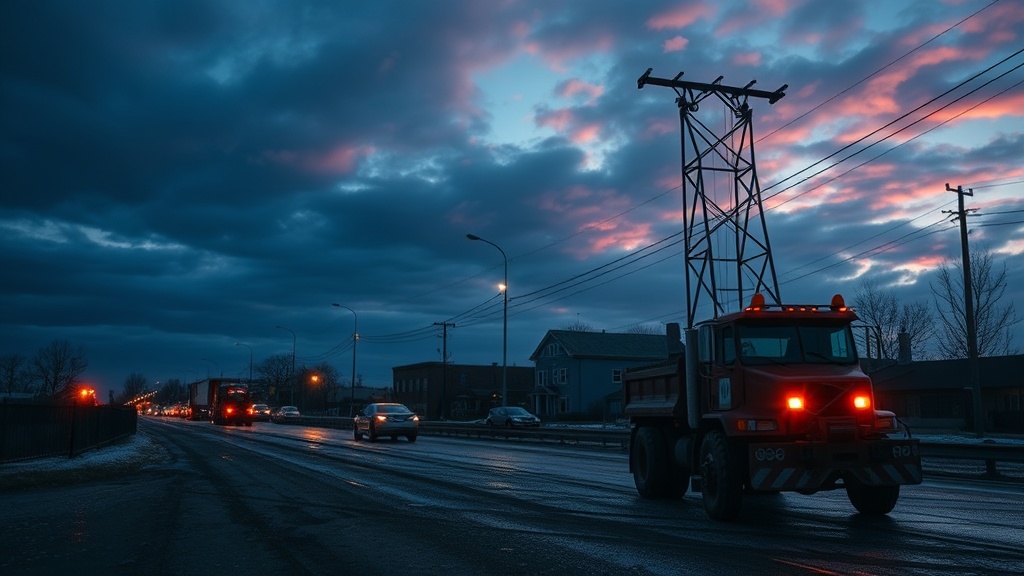
Managing Local Infrastructure and Public Works in the Thousand Islands Region

Imagine waking up to find a downed branch blocking your driveway on a side street in Gananoque or a sudden pothole appearing on a main artery near Brockville. These aren't just minor annoyances; they are parts of the daily civic life we manage as residents. Understanding how our local municipalities handle everything from snow removal to water treatment is a big part of being an informed member of our community. This guide breaks down the systems that keep the Thousand Islands region running smoothly, from the way our roads are maintained to how our local waste management systems function.
Living in the Thousand Islands region means we rely on a network of municipal services that operate differently depending on whether you are in a more urbanized area like Gananoque or a more rural stretch near the outskirts of Brockville. These services are the backbone of our daily routines, yet they often go unnoticed until something stops working. We'll look at what to expect during seasonal changes and how to interact with our local public works departments effectively.
How do I report a local road issue or pothole?
We've all been there—driving down a local road and feeling that jarring thud that signals a new pothole. In the Thousand Islands region, reporting these issues often requires contacting specific municipal offices rather than a single central authority. For instance, if you are residing in the Township of Front of the St. Lawrence, you'll be dealing with a different set of protocols than if you were in the City of Brockville.
Most local municipalities provide digital portals or direct phone lines for non-emergency maintenance requests. If you see a sign that's fallen over or a damaged street light near a local park, don't wait for someone else to call it in. Most local governments in the Thousand Islands region prefer proactive reports from residents. You can often find these reporting tools on the official websites for the City of Brockville or the Town of Gananoque. Keep your notes brief: the exact street name, a nearby landmark, and the specific nature of the issue—like a cracked curb or an obscured stop sign—will help the crews get to it faster.
What is the schedule for seasonal waste and recycling collection?
Our collection schedules are a rhythm of life here in the Thousand Islands region. Whether it's your weekly garbage pickup or the seasonal yard waste collection, staying on top of the calendar is a way to keep our neighborhoods clean and prevent issues with local wildlife. Because our region covers a vast area with varying densities, the rules for what goes in which bin can feel a bit complicated at times.
- Garbage and Recycling: Most residential areas follow a weekly or bi-weekly schedule. It's smart to check your specific municipal calendar, as some areas might have different pickup days than their neighbors just a few kilometers away.
- Yard Waste: During the spring and fall, we see a massive increase in yard debris. Knowing when to set out your organic waste is a big part of keeping our local streets looking tidy.
- Bulky Items: If you're clearing out a garage or a basement, don't just leave a couch on the curb. Most Thousand Islands-based municipalities have specific programs for large item pickup, often requiring a call or an online booking in advance.
Being mindful of these schedules doesn't just help your street; it helps the efficiency of our entire local waste management system. If we all follow the guidelines, it reduces the strain on our local landfills and keeps our community beautiful.
How can I stay informed about local water and utility updates?
Water is the lifeblood of the Thousand Islands region, and managing it is a complex task. From maintaining the water pressure in older residential areas to ensuring the treatment plants are up to standard, our local utilities are constantly working behind the scenes. Occasionally, we might see a notice about a water main break or a scheduled maintenance period that could affect your water pressure or service availability.
It is helpful to sign up for local municipal alert systems. These are often via email or even text alerts during unexpected outages. If you notice a change in water color or a drop in pressure, it's best to contact your local utility department immediately. Whether it's a small residential issue or a larger neighborhood concern, being an active participant in monitoring our local resources helps everyone. For those living near the river, understanding how local runoff and drainage affects our properties is also a key part of being a prepared resident in this unique geography.
Who handles local park and recreational maintenance?
Our parks and recreational spaces are where much of our community life happens. From the walking trails near the water to the local playgrounds, these spaces require constant upkeep. In the Thousand Islands region, the maintenance of these areas is typically handled by the local parks and recreation departments of our various townships and towns. This includes everything from mowing the grass to maintaining the playground equipment and ensuring the trails remain safe for walkers and cyclists.
If you notice a broken swing or a trail that has become overly eroded due to recent weather, please reach out to your local municipal office. We often see that a quick report leads to much faster repairs. Our local parks are a shared resource, and keeping them in top shape is a responsibility we all share. Whether you're enjoying a stroll through a local park in Gananoque or a community field in a smaller hamlet, these spaces are vital to our quality of life.
Keeping our community running smoothly is a collaborative effort. By staying informed and participating in local processes, we ensure that the Thousand Islands region remains a wonderful place to live, work, and grow. It's about more than just knowing where to throw away your recycling; it's about being an active part of the infrastructure that supports us all.